The Quiet Revolution of Living Landscapes: How Cities Are Turning Green Into Infrastructure
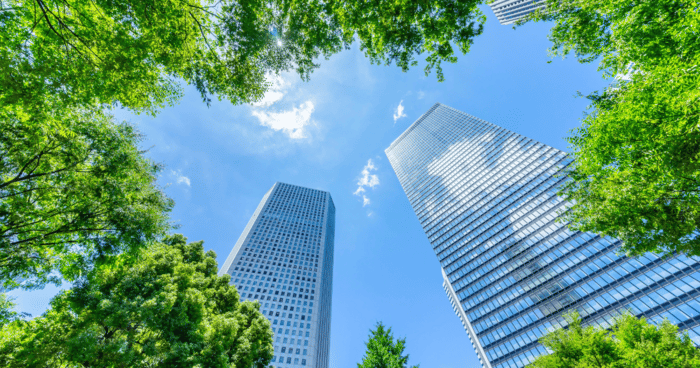
Urban landscapes are undergoing a transformation that goes beyond aesthetics. Green spaces are no longer seen as mere decoration; they are now being designed as functional infrastructure. This shift marks a quiet revolution where parks, gardens, and community plots are engineered to solve problems that have only worsened with asphalt and concrete. From managing stormwater to improving air quality, the integration of ecological design into city planning is proving that sustainable landscape solutions are not just nice-to-have but critical tools for survival.
Rethinking the Role of Green Spaces
Traditional urban planning often treated greenery as an afterthought, a luxury added to balance out the steel and glass of modern development. But as climate change accelerates, the role of landscapes has shifted. Cities now recognize that living systems can provide services previously left to...