What Your Vacuum Says About How You Care for Things
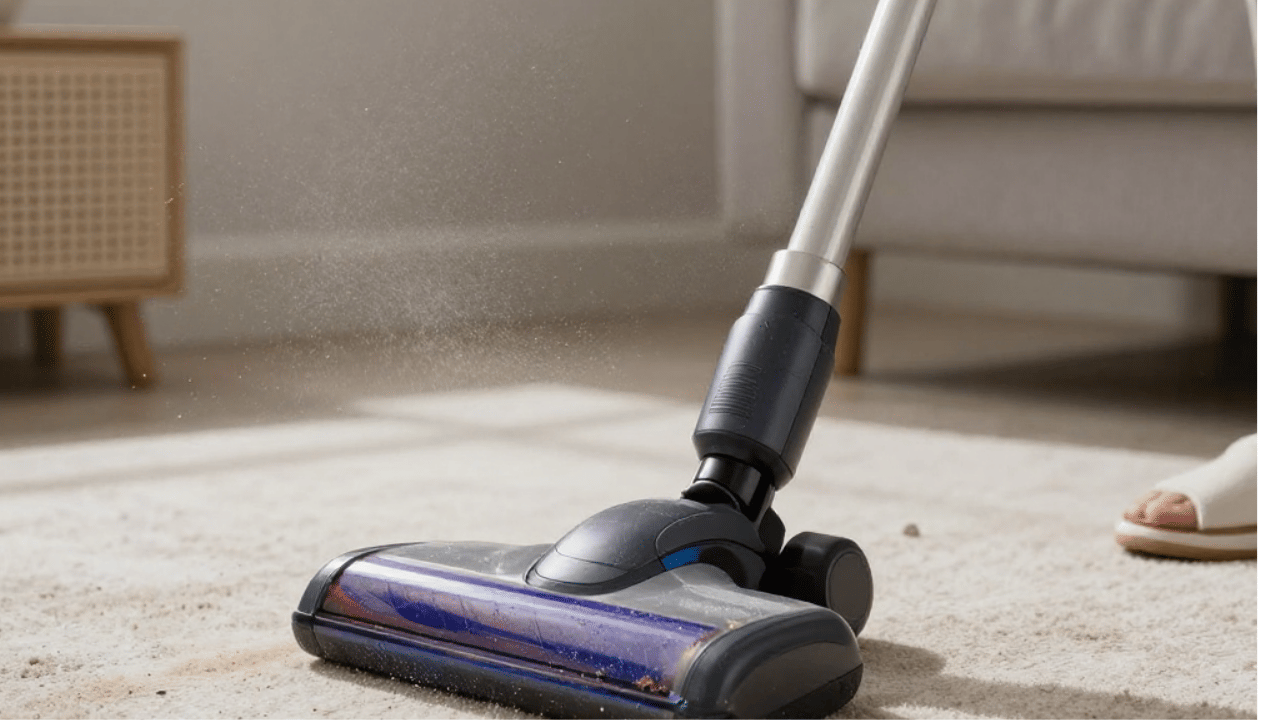
Modern life moves fast, and most of what we own isn’t meant to last. But every once in a while, an ordinary tool reminds us of a quieter truth—that maintenance is a form of respect. One of those unsung teachers hums softly in the corner of almost every home: the vacuum cleaner.
We rarely think about it until it fails, coughing up dust instead of swallowing it. Still, inside its motor and filters lies a small philosophy of care that reflects how we handle the rest of our world—our possessions, our routines, even our attention.
The quiet craft of maintenance
To fix something today can feel strangely rebellious. We live in an era of sealed designs and upgrades that put repair just out of reach. Yet the act of maintaining a vacuum—replacing belts, cleaning filters, untangling brush rolls—is slow, patient work. It teaches rhythm. You take it apart, unsnap a few things, and see where the dust hides. You learn the inner map—the way the hose curves, the motor breathes, the parts cooperate.
It’s both technical and meditative. A working vacuum isn’t just a machine; it’s a small network of dependencies. When you clear a blockage or fit a new belt, you restore balance. The satisfaction is quiet but real, deeper than the relief of a clean floor. You’ve made something whole again.
Listening to the machine
There’s a sound that tells you when a vacuum is happy. It’s the low, even whir of efficient suction. Any deviation—grinding, whining, or an odd shake—means something small has changed. Maybe a brush roll jammed, maybe the filter’s choking. That listening, the attunement to subtle differences, trains a form of awareness that carries beyond housekeeping.
To notice those details is to be in dialogue with a machine built for utility. It speaks softly: take care of me, and I’ll serve you longer. Ignore me, and I will slowly lose strength. Many things in life work like that—our relationships, our health, even our curiosity.
At some point, maintenance becomes attention itself. It’s not about saving money or time. It’s a posture of regard for the invisible work that keeps systems alive.
The modern repair landscape
Still, finding the pieces to keep that hum going isn’t as simple as it once was. Stores that sell genuine components have become memory fragments of older towns. Yet online spaces have grown to fill the gap, offering a mix of universality and specialization. Somewhere in the middle of these digital shelves, you stumble upon a vacuum cleaner parts store, a quiet archive of brushes, belts, and filters for models both old and new.
What’s remarkable about these places is not just the convenience but the ethos they represent. Every replacement part is an argument against disposability. It says: “ This thing can live a little longer. It deserves a second round. There’s poetry in that—the same kind that lives in a repaired chair, a mended shirt, or a sharpened knife.
Dust as a metaphor
The act of vacuuming has a strangely psychological texture. It’s not just about dirt—it’s about control. Dust settles naturally, almost invisibly, and reminds us how easily entropy reclaims our order. Each cleaning becomes both a ritual and a reset.
There’s a reason tidying feels emotionally charged. When we make things clean, we touch something primal about renewal. Vacuuming, with its rhythmic back-and-forth, creates small zones of calmness. The floor transforms quietly, and that visible change feeds an inner sense of harmony. You can see progress
If we stretch the metaphor, routine maintenance—of vacuums, rooms, or habits—is what keeps life breathable. Let too much gather, and the air thickens. Take a moment to care, and it all flows again.
Why care endures
People who repair their tools rather than replace them are often seen as nostalgic, clinging to outdated habits. But perhaps they’re just tuned differently. They’ve realized that durability is not stubbornness—it’s stewardship. And stewardship is a deeply contemporary idea, one that will matter even more as resources shrink and waste grows.
A vacuum, for all its ordinariness, sits at that intersection of technology and philosophy. It demands power but teaches humility. It asks for attention but offers efficiency. If we treat maintenance as a conversation rather than a chore, we might rediscover a lost satisfaction: the peace of things that work because we helped them stay alive.
The afterthought that lingers
When the hum stops and the dust bin empties, we don’t remember the mess we cleaned. We remember the sense of alignment—the small victory of order over chaos. And maybe in that soft background hum lies the simplest measure of care: not how long things last, but how well we listen while they do.