The Smart Way to Plan a Diesel Swap
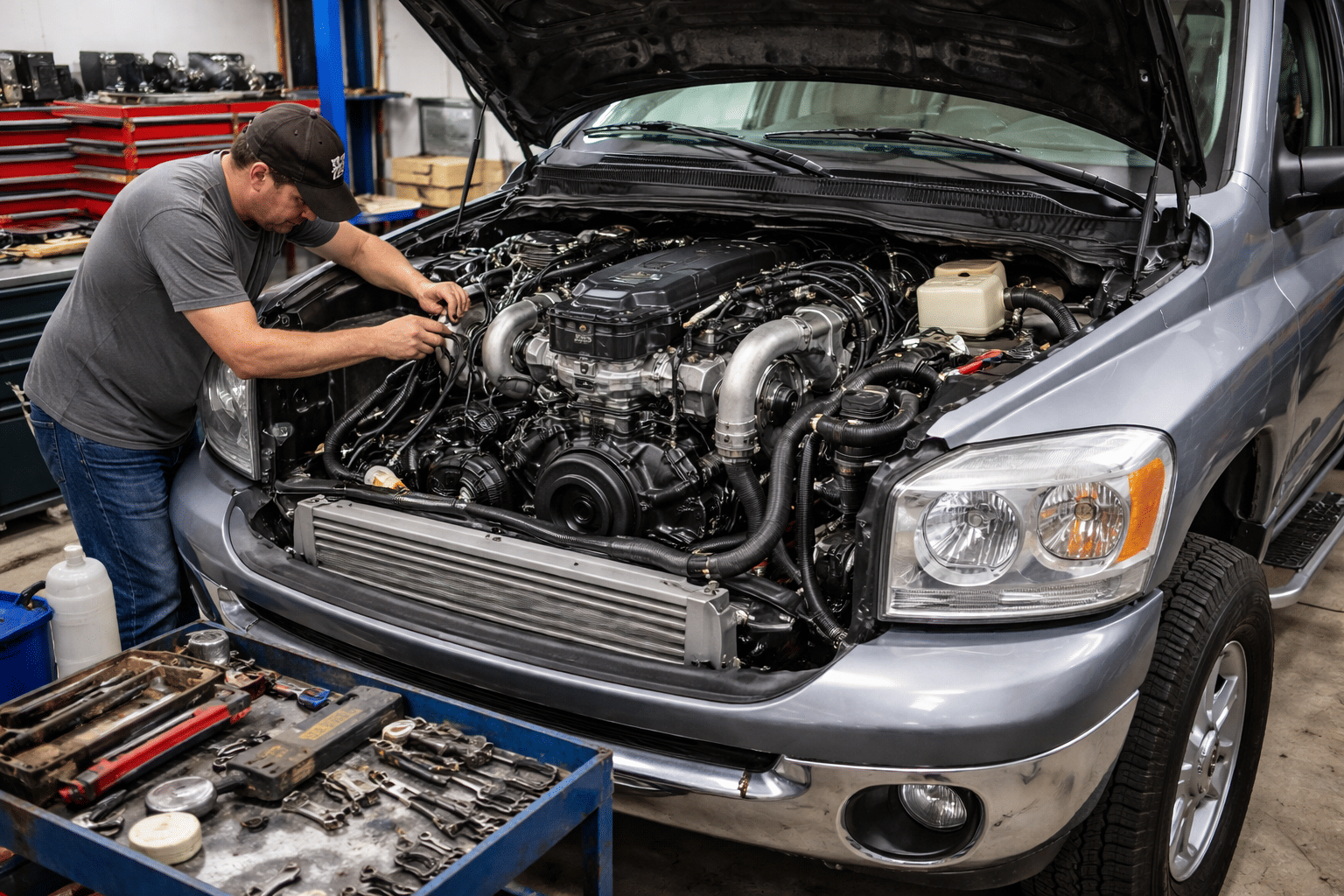
A smart diesel swap begins with understanding that it is not just an engine replacement. It is a full conversion that affects wiring, cooling, steering, diagnostics, mounting, airflow, and long-term serviceability. Projects usually become more difficult when the engine is treated as the only major decision. A better approach is to evaluate the entire system before selecting parts.
Modern common-rail diesel setups are important in this conversation because they offer more than just raw power. They also bring improved drivability, stronger tuning flexibility, and diagnostic capability that can make a finished conversion more usable in daily operation. That makes them a practical choice when the goal is to build a vehicle that performs well and remains manageable after the swap.
Start With the Vehicle’s Purpose
The first step in planning a diesel swap is to define what the vehicle is expected to do. A truck meant for towing, road use, or regular work under load has different needs than a project intended for occasional recreation. That use case shapes the right engine setup, transmission pairing, cooling layout, and control strategy.
This is one reason common rail conversions deserve careful consideration. Their design supports modern engine management and a more refined operating experience. In practical terms, that means the vehicle can deliver stronger performance while retaining diagnostic access to support maintenance and troubleshooting later.
Electronics Should Be Planned Early
One of the biggest mistakes in a diesel swap is leaving the electronics until the end. Common rail systems depend on the correct pairing of the engine control module and the engine harness. Some model years also include security functions that may require reprogramming. Transmission calibrations can vary, and throttle operation may change depending on the setup.
These are not minor details. They determine whether the engine can function correctly in the new vehicle. They also affect how much of the original electronic capability can be retained. A conversion plan is stronger when these issues are addressed before fabrication begins.
In some cases, earlier common-rail setups can be upgraded with later electronic components to improve drive-by-wire capability and expand tuning support. That shows why the planning stage matters so much. The right conversion is not only about choosing an engine family, but also about selecting the most workable version of that engine for the intended build.
Fitment Involves More Than Space
A diesel engine fitting into the engine bay does not mean the swap is properly planned. Real fitment includes steering clearance, engine-mount location, crossmember space, accessory placement, fan clearance, and service access. If one of these elements is ignored, the project can become more complicated after the engine is already installed.
Mounting deserves special attention because engine position affects nearly everything around it. A well-designed mount setup can improve alignment, preserve needed airflow space, and help keep important components in useful locations. Poor mount planning, by contrast, often creates avoidable problems in exhaust routing, cooling layout, and maintenance access.
This is why the best conversions are usually designed as engine-and-chassis combinations rather than simple engine purchases. The vehicle platform and the diesel platform have to work together, not just physically connected.
The Middle Stage Defines the Project
The most difficult part of a diesel swap usually arrives after the engine is mounted. That is when separate systems have to work as one. Steering lines need to match the chosen pump, the cooling system must support the engine under load, the wiring must communicate properly, and the throttle and transmission controls must function without conflict.
At that point, converting a gas engine to diesel becomes less about installation and more about integration. The success of the build depends on whether the powertrain, electronics, and vehicle systems have been planned as one package.
This is where common rail setups can justify their added complexity. When the wiring and control systems are handled correctly, the result is a diesel-powered vehicle with modern responsiveness, reliable diagnostics, and greater adjustability. Those are long-term benefits, not temporary conveniences.
Cooling Must Match Real Use
Cooling should never be an afterthought in a diesel swap. It should be based on how the vehicle will actually be used. A build that will carry weight, run for long periods, or operate in demanding conditions needs a dependable airflow strategy. Radiator capacity, fan choice, shroud design, and overall packaging must all support each other.
The same principle applies to turbo and exhaust planning. The exhaust path, manifold layout, and control requirements should be accounted for early, especially when the setup involves more advanced turbo behavior. These systems affect reliability and drivability just as much as they affect performance.
A Good Swap Is Built on Fewer Surprises
The strongest diesel swaps are usually the ones with the fewest last-minute decisions. They start well, cool consistently, retain useful diagnostics, and operate like complete vehicles rather than unfinished projects. That level of quality comes from selecting the right engine version, planning the electronics correctly, accounting for fitment and steering, and building the cooling and airflow strategy around the vehicle’s actual purpose.
The smart way to plan a diesel swap is to treat the project as a full engineering process. When that happens, a common rail conversion becomes a logical path toward a more capable, more serviceable diesel-powered vehicle.